For Fellow Clinicians

Clinical Consultation for Therapists in Ontario — For the Cases That Don’t Fit

Somewhere to bring the file that’s been sitting in your chest since Tuesday. Case consultation for clinicians working with complex trauma, physical symptoms nobody can account for, neurodivergent clients, and LTD or workplace injury files — with someone who works at the body-mind intersection.

Complex TraumaPhysical SymptomsNeurodivergenceLTD & Workplace InjuryVirtual Across Ontario
Connect with Naomi
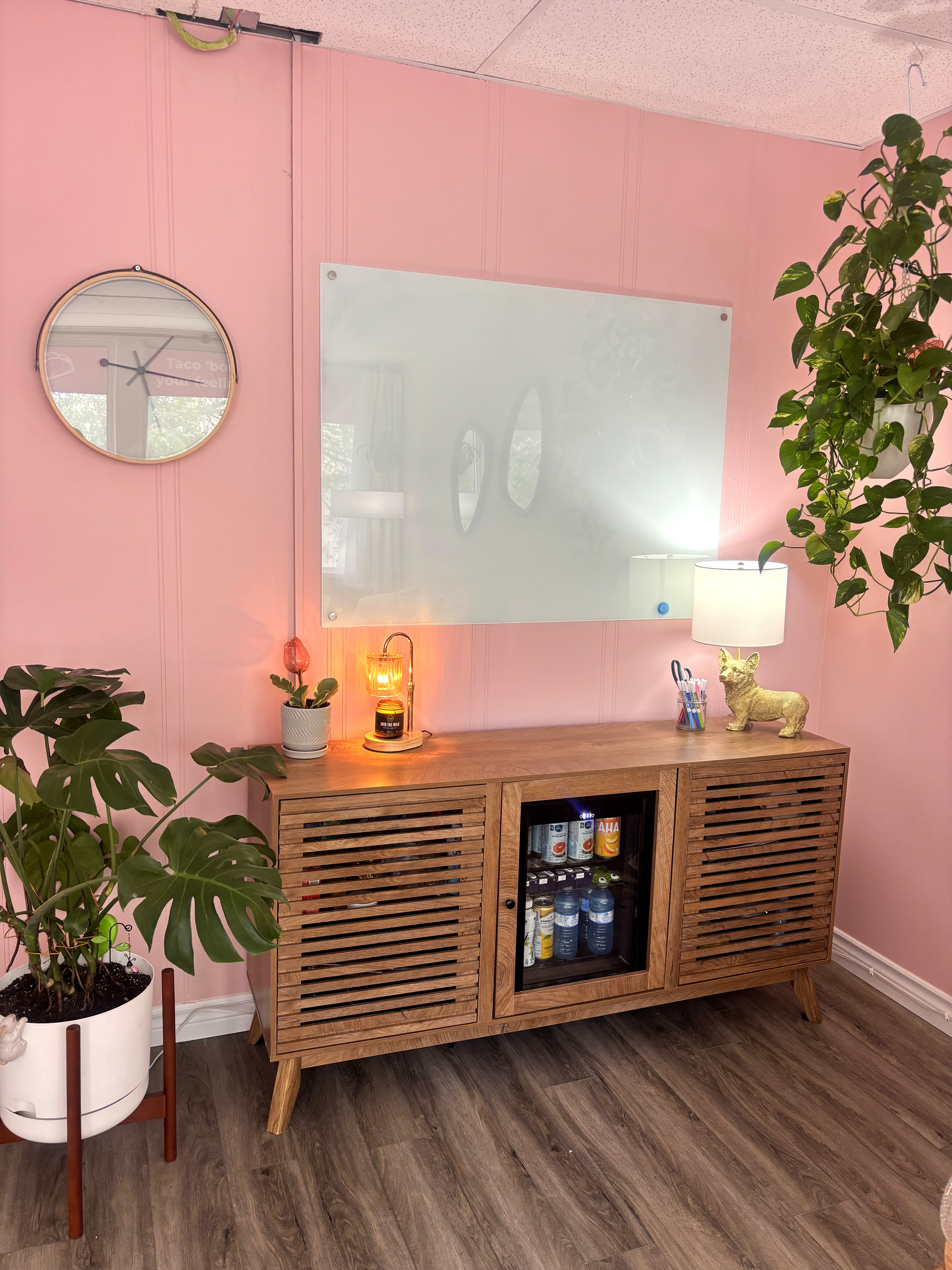
The Ontario Therapy consulting room in Newmarket, used for clinician consultation sessions

Case consultation. The client whose symptoms don’t match the assessment. The one where the nervous system is clearly doing something the model doesn’t account for. The presentation that’s been dismissed everywhere else and has landed in your office with a lot of history attached. This is a room to think that through with someone who works in it daily. Collaborative, peer to peer: a second mind on the case in front of you, not oversight of your practice.

Actual thinking about your cases — not hours logged toward a designation.

What this isn’t. This is consultation, not CRPO clinical supervision, and time spent here does not count toward CRPO registration requirements. If you’re a student or a Qualifying registrant accruing supervision hours, you need someone who meets CRPO’s clinical supervisor criteria — worth saying plainly, so nobody spends money on the wrong thing.

Referrals. Referrals from other clinicians are welcome — especially for complex trauma, physical-symptom presentations (chronic pain, pelvic and bladder pain, fatigue), and LTD or workplace injury cases.

Format. 60 or 90 minutes, in person in Newmarket or virtually anywhere in Ontario.

Joining the practice. Ontario Therapy adds clinicians rarely and carefully. If your values around inclusion, nervous system work and genuine human connection line up with what you see here, start a conversation.

Common questions

Do these hours count toward CRPO registration requirements?

No. CRPO sets specific criteria for who may provide clinical supervision, and not all of them are met here — so time spent in this room doesn't count toward the supervision requirement for registration. If that's what you need, look for someone who meets CRPO's criteria. Everything else on this page still stands; it's just a different thing.

What's the difference between consultation and clinical supervision?

Supervision carries formal oversight of your clinical work and is tied to registration requirements. Consultation is a colleague thinking alongside you about a case — you remain fully responsible for the client and the file. Both are useful. They answer different needs, and it's worth being clear with yourself about which one you're looking for.

Do I have to work in these specific areas to bring a case?

The focus here is complex trauma, physical symptom presentations, neurodivergence, and LTD or workplace injury files — that's where a second opinion is most likely to be worth your money. If your case sits outside that, say so when you reach out and we'll be honest about whether this is the right room.

Can I bring a single case, or does this need to be ongoing?

Either. Some people come once about one file that's stuck. Others set up something standing. Worth saying which you're after in your first email, so the time gets used the way you need it.

How does confidentiality work when I bring a client's material?

Bring cases de-identified — enough detail to think clearly, not enough to identify anyone. Consultation doesn't create a therapeutic relationship between your client and this practice, and it doesn't shift responsibility for the file. Your own college's rules about disclosure in consultation still apply to you.

Let’s start a conversation.

For case consultation or a specific referral — reach out directly.

Connect with Naomi